Full-Body MRI Cost: Prenuvo vs Ezra vs Hospital (2026 Price Breakdown)
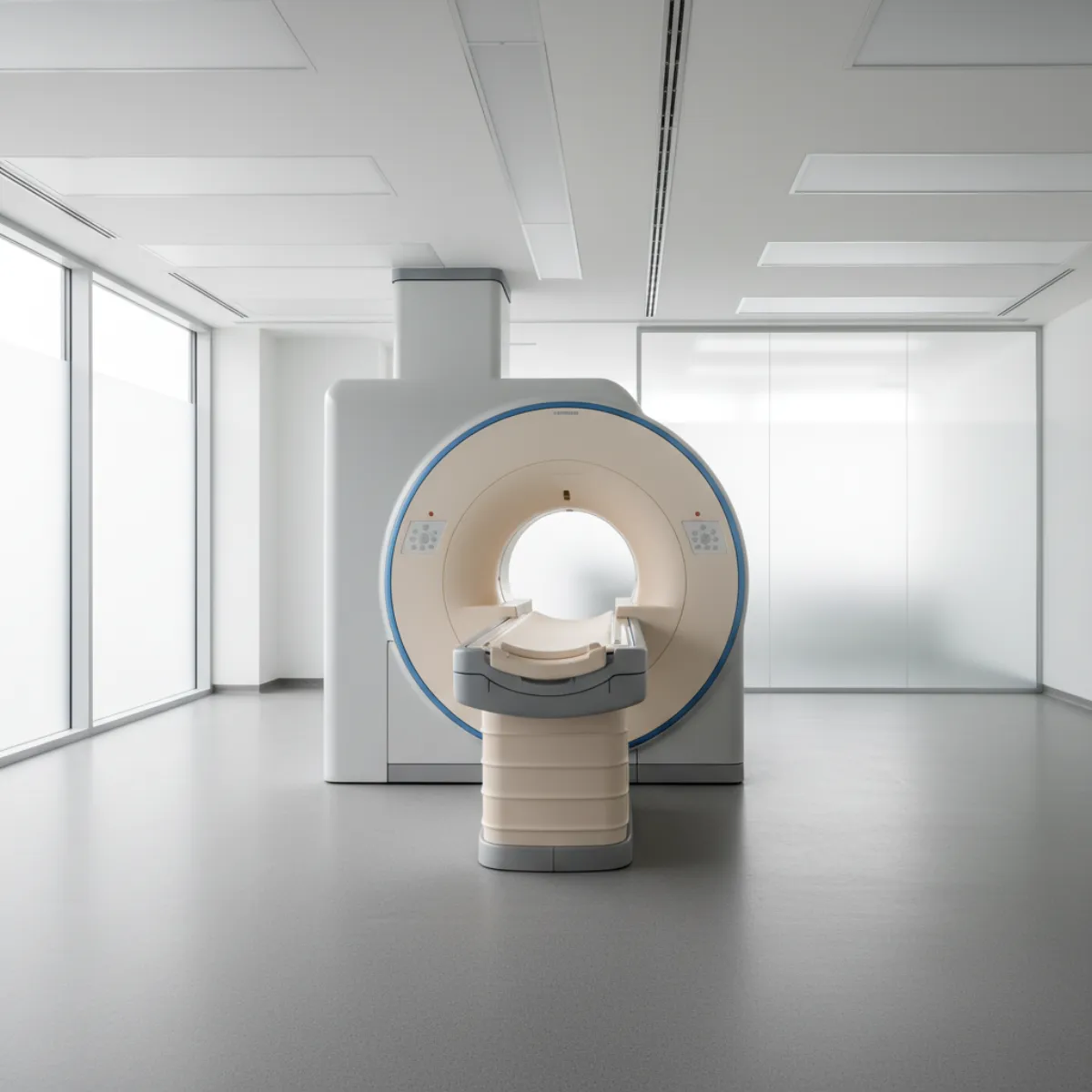
The typical full body MRI cost ranges from $999 for a standalone Ezra scan to $2,499 for a standard Prenuvo whole-body assessment. Your final price depends heavily on scan duration, clinical tier, and whether you purchase a single imaging session or an annual preventative health membership.
How much does a full-body MRI cost? (Prenuvo vs Ezra)
Elective full-body MRI pricing splits into two specific categories: standalone single scans and annual membership bundles. You will generally pay between $1,000 and $4,500 out of pocket. The consumer market is dominated by two major specialist providers, Prenuvo and Ezra. Both companies have standardized their pricing models for private-pay patients.
Radiology pricing usually depends on machine time and the labor required for a radiologist to read the resulting images. A scan that takes 60 minutes occupies an expensive machine twice as long as a 30-minute scan, and generates twice as many images for a doctor to review. This is why prices scale directly with the depth of the scan and the time spent inside the magnetic tube.
Below is the exact cost comparison between the current tiers offered by both major providers.
| Provider & Tier | What is Included | Price |
|---|---|---|
| Ezra Base Scan | Standalone MRI scan | $999 |
| Ezra Base Scan (Member Rate) | MRI scan (requires $365/yr Function Health membership) | $899 |
| Prenuvo Focused Scan | Head to mid-thigh scan (~30 min) | $1,199 |
| Ezra with Spine | Base MRI plus spinal imaging | $1,699 |
| Ezra with Spine (Member Rate) | MRI plus spine (requires $365/yr Function membership) | $1,499 |
| Prenuvo Whole Body | Full head-to-toe scan (~50-60 min) | $2,499 |
| Prenuvo Comprehensive Membership | Whole-body scan, lab panel, 6-month repeat labs, 2 reviews | $2,499/yr |
| Ezra Skeletal & Neurological | Advanced MRI with neuro/skeletal assessment | $3,999 |
| Prenuvo Executive | Premium tier with expedited service (varies by city) | ~$3,999 |
What is the real cost of a Prenuvo scan?
Prenuvo scan prices are fixed based on the length of the imaging session and the specific body parts covered. The company offers a clear menu with no hidden facility fees.
The entry-level option is the Prenuvo Focused scan, which costs $1,199. This protocol covers the torso from the head down to the mid-thigh. It takes approximately 30 minutes inside the machine. This option targets the core organs where most solid tumors develop, but it ignores the lower extremities.
If you want complete head-to-toe imaging, the Prenuvo Whole Body scan costs $2,499. This session keeps you in the machine for 50 to 60 minutes. It captures data on your extremities, joints, and peripheral tissues in addition to your core organs.
Prenuvo also sells recurring subscriptions for patients who want ongoing monitoring. Their primary subscription tier is the Prenuvo Comprehensive Membership, which costs $2,499 per year. This package includes the standard whole-body scan, an initial blood lab panel, a repeat set of labs at the six-month mark, and two clinical results reviews with their medical staff.
Why does the Prenuvo Executive scan cost up to $4,499?
The massive price gap between a standard $2,499 whole-body scan and the Executive tier comes down to service speed and clinical access, not better imaging technology. Both tiers use the same physical MRI machines and the same baseline imaging protocols.
When you pay the Executive premium, you are buying time. Standard scan appointments often require booking weeks or months in advance, depending on the city. Executive tier patients receive priority scheduling, allowing them to skip the standard waitlist. This is highly valued by executives flying into a city specifically for medical tourism.
The premium fee also guarantees expedited radiologist reading times. Standard patients might wait up to two weeks to receive their clinical report. Executive patients usually receive their results within 48 hours. Finally, the price tag includes a dedicated, extended consultation with a physician to review the images slice by slice, whereas standard patients receive a digital report and a shorter review call. The base Executive tier is around $3,999, but geography impacts this price directly. If you book an Executive scan at a clinic in New York City, the price jumps to about $4,499 to account for higher local operating costs.
How much does an Ezra MRI cost? (The membership math)
Ezra recently merged its operations with Function Health. This corporate change shifted their pricing structure to heavily favor patients who buy an annual health subscription.
A standalone base MRI scan from Ezra starts at $999. This is the absolute cheapest entry point for a private-pay consumer who just wants a single scan without recurring fees. If you want spinal imaging added to that baseline scan, the cost rises to $1,699. For their highest diagnostic tier, an MRI with a dedicated skeletal and neurological assessment, you will pay $3,999.
Ezra offers discounted scan rates if you buy a Function Health membership. The membership itself costs $365 per year. With that active membership, the base scan price drops to $899, and the spine-inclusive scan drops to $1,499.
You must do the math before you buy. The first-year all-in cost for the base scan at the member rate is about $1,264. That total includes the $899 scan fee plus the mandatory $365 membership fee. If you only want a single scan and do not plan to use the recurring blood work or digital tracking features included in the Function Health ecosystem, buying the standalone scan for $999 is the cheaper mathematical choice.
Is the Function Health membership worth the required fee?
To get Ezra's $899 member rate, you must pay $365 for a Function Health subscription. To determine if this is a smart purchase, you must evaluate the $365 membership itself.
Function Health is not an imaging company; it is a biomarker tracking platform. The $365 annual fee covers a massive baseline blood panel testing over 100 biomarkers, ranging from standard cholesterol metrics to advanced hormone and heavy metal tests. It also covers a second, smaller follow-up blood panel six months later.
If you plan to pay out of pocket for thorough blood work anyway, the Function Health membership provides excellent financial value. Paying a separate lab clinic for 100 individual biomarker tests would cost significantly more than $365. By bundling the blood work platform with the Ezra MRI discount, patients get a complete picture of both their internal chemistry and their structural anatomy. However, if you already have a concierge doctor handling your blood work, the $365 Function membership is an unnecessary expense that simply inflates your MRI cost.
Can you get a full-body MRI at a regular hospital?
Hospital pricing for elective whole-body screening is not standardized and varies wildly by facility. Most traditional hospitals and standalone imaging centers do not offer a true whole-body screening MRI menu option for walk-in patients.
Standard medical facilities use MRI machines to investigate specific symptoms ordered by a doctor. A doctor might order an MRI of a torn meniscus or a suspected brain tumor. The hospital then bills your insurance using specific Current Procedural Terminology (CPT) codes for that exact body part. A hospital MRI of just a knee might bill an insurance company $3,000. If a hospital attempted to scan your entire body and bill it part by part, the theoretical cost could exceed $20,000.
Specialist clinics like Prenuvo and Ezra can charge flat fees like $2,499 because they operate on a strict cash-pay model. They bypass the insurance billing department entirely, optimize their machine scheduling for 60-minute blocks, and use proprietary software to speed up the radiologist review process.
If you call a local hospital and ask to pay cash for a preventative full-body scan, the scheduling desk will likely turn you away. Because the service is rarely offered as an elective package in traditional settings, there is no reliable benchmark price to quote. If you find a private imaging center willing to do an elective whole-body scan, check the current cash price directly with their billing department. Do not assume it will match the prices offered by dedicated longevity clinics.
Does insurance cover an elective full-body MRI?
No. Health insurance plans do not cover full-body MRI scans used for asymptomatic screening.
Insurance companies require a documented medical necessity to approve advanced imaging. You must have specific, documented symptoms or a high-risk medical history that justifies scanning a specific anatomical area. Preventative whole-body scans are strictly out-of-pocket expenses.
You can occasionally use Health Savings Account (HSA) or Flexible Spending Account (FSA) funds to pay for these preventative scans. However, because the scans are elective, your plan administrator might require a Letter of Medical Necessity from a doctor before releasing the tax-advantaged funds. You should confirm eligibility with your HSA provider before booking the appointment.
Is a full-body MRI worth the cost?
Deciding if these scans justify a $1,000 to $4,500 expense comes down to your personal risk tolerance and financial situation. You can read our full breakdown on whether elective full-body MRI screening is worth the cost to better understand the clinical debate.
Proponents argue these scans offer unparalleled peace of mind. A high-resolution MRI can catch early-stage solid tumors, brain aneurysms, or spinal degeneration long before they cause physical symptoms. For a patient who catches stage one kidney cancer on a routine scan, the $2,499 price tag is viewed as a life-saving bargain.
Medical skeptics point to the high financial and psychological cost of overdiagnosis. High-resolution imaging often finds benign cysts, harmless nodules, or anatomical quirks that would never have caused a health problem. These incidental findings can lead to a cascade of expensive, anxiety-inducing follow-up tests. A harmless spot on your thyroid might trigger a dedicated ultrasound, followed by a fine-needle aspiration biopsy. The patient pays for these follow-up procedures, endures weeks of stress, and learns they are perfectly healthy.
Many executives and biohackers view the initial cost and the risk of overdiagnosis as acceptable baseline investments in their personal longevity. They frequently pair an annual scan with a biological age test to track their internal aging metrics. Other patients skip the standalone scan entirely and enroll in a high-end concierge medical program. Several luxury longevity clinics bundle a whole-body MRI directly into their $10,000 to $100,000 annual membership fees.
If you use our Longevity Cost Estimator, you will see that adding routine advanced imaging quickly makes preventative health the most expensive line item in your personal budget.
The financial risk of incidental findings
The initial $1,000 to $4,500 you pay for the MRI might not be your final cost. The most significant hidden expense of elective screening is the medical workup required for incidental findings.
An incidental finding is an abnormality discovered on a scan that is unrelated to any active symptoms. Because modern MRI machines are incredibly sensitive, they frequently detect tiny cysts on the liver, small nodules in the lungs, or slight bulges in spinal discs. Studies show that up to 90 percent of healthy adults will have at least one abnormal finding on a full-body MRI.
The vast majority of these findings are benign. They will never cause a medical issue. However, once a radiologist documents an abnormality on your official medical record, your primary care doctor is legally and ethically obligated to investigate it.
This triggers a cascade of secondary costs. You might need to pay for a dedicated diagnostic ultrasound, a CT scan, or a consultation with a specialist. If the imaging cannot rule out cancer, you may have to pay for a surgical biopsy. Even if your health insurance covers these diagnostic follow-ups, you are still responsible for your deductible and copays. You must factor this potential financial liability into your budget before you book an elective scan.
The honest bottom line
If you want a preventative full-body MRI, expect to spend at least $1,000. Prenuvo offers a straightforward, flat-fee model for high-quality imaging, while Ezra provides a slightly cheaper entry point that integrates heavily with the Function Health subscription ecosystem. Ignore outdated promotional pricing, calculate the true cost of mandatory memberships before you buy, and accept that your health insurance will not subsidize this specific longevity tool.
Sources
Frequently asked
How much does a Prenuvo scan cost?
Is Ezra cheaper than Prenuvo?
Does insurance cover a full-body MRI?
Is a full-body MRI worth the cost?
What's the cheapest full-body MRI?
Build your own honest total
Add up exactly what you're considering, with real sourced prices and the advertised-vs-effective gap.