NAD+ IV Therapy Cost: Per Session, Packages & Clinic Comparison (2026)
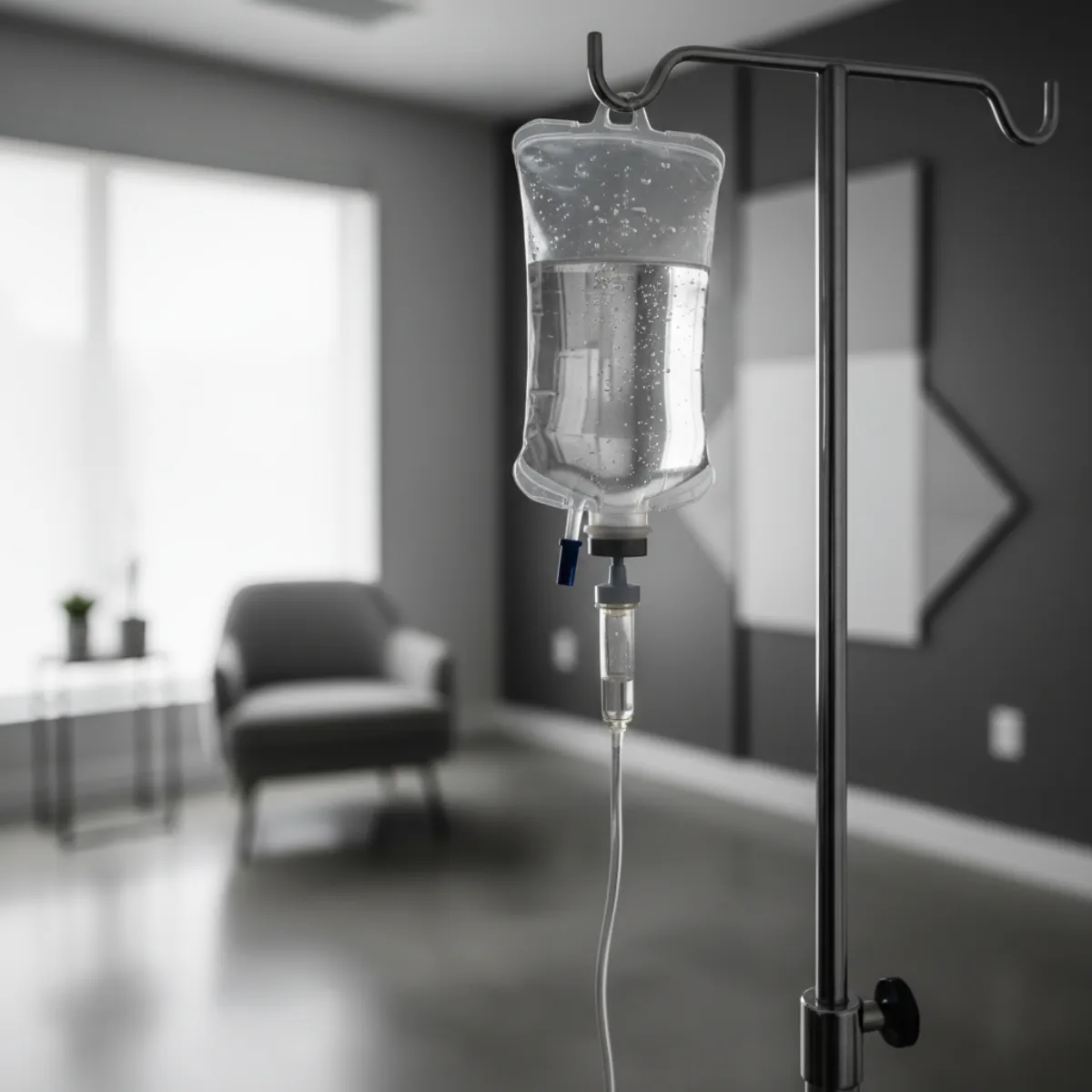
The typical nad iv therapy cost ranges from $250 to $1,500 per single session. Your exact price depends on the dosage and the clinic overhead. A standard 500mg dose usually costs around $399. Because clinics recommend a four to six session loading phase, the real upfront cost generally exceeds $1,500.
How much does an NAD+ IV cost by dose?
A single NAD+ IV session typically runs $250 to $1,500. The primary factor driving this massive price range is the amount of NAD+ (Nicotinamide Adenine Dinucleotide) mixed into the saline bag. Most longevity clinics structure their pricing in three distinct dosage tiers.
The entry-level dose is 250mg. This smaller dose usually costs around $299. Clinics often advertise this specific price point to get new patients in the door. It requires less material and less time in the chair, making it the cheapest option available.
The standard dose is 500mg. You can expect to pay around $399 for this mid-tier infusion. Providers typically recommend the 500mg level for patients starting a standard longevity protocol. The price increase reflects both the doubled amount of the compound and the extended time required to administer it safely.
The high-capacity dose is 1000mg. This aggressive dosage generally costs around $599 per session. Only experienced patients usually receive the 1000mg drip. The high cost accounts for the massive dose of NAD+ and the significant block of clinic time required to infuse it without causing severe side effects.
The true price tag: Packages vs single sessions
Advertised single-session prices are highly misleading. Longevity clinics rarely sell just one drip. The standard protocol involves a "loading course" followed by a maintenance phase. This recurring pattern is the real financial commitment.
A loading-dose package of four to six sessions typically runs $1,500 to $6,000. Providers claim this initial density of treatments is necessary to raise cellular NAD+ levels. If you buy these sessions as a bundle, the clinic usually lowers the per-session cost compared to buying single drips a la carte.
Once you complete the loading phase, clinics will pitch a maintenance schedule. This usually means returning for one or two drips every month. You must factor this ongoing expense into your budget. You can track these recurring monthly charges and build your annual total in the Longevity Cost Estimator.
Comparing NAD+ IV costs
The table below breaks down the typical out-of-pocket costs based on the dosage and the package size.
| Treatment Type & Dose | Price |
|---|---|
| 250mg NAD+ (Single Session) | ~$299 |
| 500mg NAD+ (Single Session) | ~$399 |
| 1000mg NAD+ (Single Session) | ~$599 |
| 4-Session Package (Loading Phase) | $1,500 - $2,400 |
| 6-Session Package (Loading Phase) | $2,250 - $6,000 |
Why is NAD+ IV so expensive?
NAD+ infusions are expensive because they are incredibly slow. A typical session takes 2 to 4 hours to complete. This is the primary bottleneck that drives up the price.
You cannot push NAD+ into the bloodstream quickly. If the drip runs too fast, patients experience severe nausea, chest tightness, and stomach cramps. The nurse must calibrate the IV to drip at a slow, tolerable rate. A 1000mg dose can easily keep you in the chair for four full hours.
During those 2 to 4 hours, the clinic is paying for facility space, electricity, and dedicated nursing staff. A clinic can administer four standard hydration drips in the time it takes to finish one NAD+ session. The high price of the NAD+ drip covers the lost opportunity cost of tying up a chair for half the day. Some facilities attempt to mask these high a la carte prices by bundling the treatments into a monthly longevity clinic cost or membership fee.
Clinic vs Mobile NAD+ IV costs
Mobile or in-home NAD+ IV usually costs more than visiting a physical clinic. The base price of the compound might remain the same, but you are paying a premium for convenience.
When you book a mobile drip, you pay a travel and concierge fee. You are essentially renting a registered nurse for half a day. Because the infusion takes 2 to 4 hours, that nurse cannot see other patients while sitting in your living room. The mobile company passes this labor cost directly to you. A $399 clinic drip can easily exceed $600 once the mobile dispatch fees are applied.
Does insurance cover NAD+ IV therapy?
No. Insurance does not cover NAD+ IV therapy. You will pay for this treatment entirely out-of-pocket.
NAD+ IV is not FDA-approved for anti-aging, longevity, or general wellness, and no NAD+ drug is FDA-approved for any other use either. Insurance companies classify the treatment as experimental. Do not expect your provider to submit a claim on your behalf. Even if the clinic hands you a superbill to submit to your insurance company, it will almost certainly be denied.
Is the NAD+ drip cost worth it?
Deciding if the $1,500 to $6,000 upfront cost is justified requires looking at the clinical evidence. The science supporting intravenous NAD+ for human longevity is still in the early stages. Most of the promising data comes from animal models, not long-term human trials.
You are paying a premium price for an experimental therapy. We highly recommend reading our full breakdown on whether NAD+ IV is worth the cost before committing to a six-session package. If you are exploring other out-of-pocket longevity treatments, you might also want to compare this commitment to the ongoing peptide therapy cost, which shares a similar regulatory and financial profile.
The honest bottom line
Do not fall for the $250 single-session marketing hook. You are buying a protocol, not a one-off drip. Expect to spend $1,500 to $6,000 for a loading phase just to see if the treatment works for you. Because NAD+ IV has no FDA-approved form and is not covered by insurance, you must be prepared to pay $400 to $1,200 a month in ongoing maintenance out of your own pocket. If you cannot afford the long-term maintenance, the expensive initial loading phase is likely a waste of money.
Sources
Frequently asked
How much does one NAD+ IV session cost?
Why is NAD+ IV so expensive?
Are NAD+ packages cheaper than single sessions?
Does insurance cover NAD+ IV therapy?
Is mobile NAD+ IV worth the extra cost?
Build your own honest total
Add up exactly what you're considering, with real sourced prices and the advertised-vs-effective gap.